
Flachdachabdichtung mit Flüssigabdichtung und Polyestervlies – Aufbau Schritt für Schritt
Moderne Flachdachabdichtungen werden mit unterschiedlichen Materialien ausgeführt – zum Beispiel Polyurethan, PMMA oder Bitumen.
Unabhängig vom verwendeten Abdichtungssystem bleibt jedoch ein Bestandteil nahezu immer gleich: das Armierungsvlies aus Polyester.
Im folgenden Beispiel zeigen wir den typischen Aufbau einer Flachdachabdichtung mit Flüssigabdichtung und Polyestervlies – Schritt für Schritt.
Systemaufbau einer Flüssigabdichtung
Der Aufbau einer Flachdachabdichtung mit Flüssigabdichtung besteht typischerweise aus mehreren Schritten:
Vorbereitung des Untergrunds
Grundierung der Dachfläche
Armierung von Anschlüssen und Details
Erste Abdichtungsschicht
Vollflächige Armierung mit Polyestervlies
Zweite Abdichtungsschicht
Schritt-für-Schritt Umsetzung
Schritt 1 – Vorbereitung des Untergrunds
Im ersten Schritt wird die bestehende Fliesenoberfläche sorgfältig vorbereitet und mit der ersten Schicht der Flüssigabdichtung versehen.
Diese Schicht sorgt für eine gleichmäßige Grundabdichtung und bildet die Basis für den weiteren Aufbau.
Besonders kritisch sind dabei Übergänge, Kanten und Anschlüsse, die vollständig abgedeckt werden müssen.
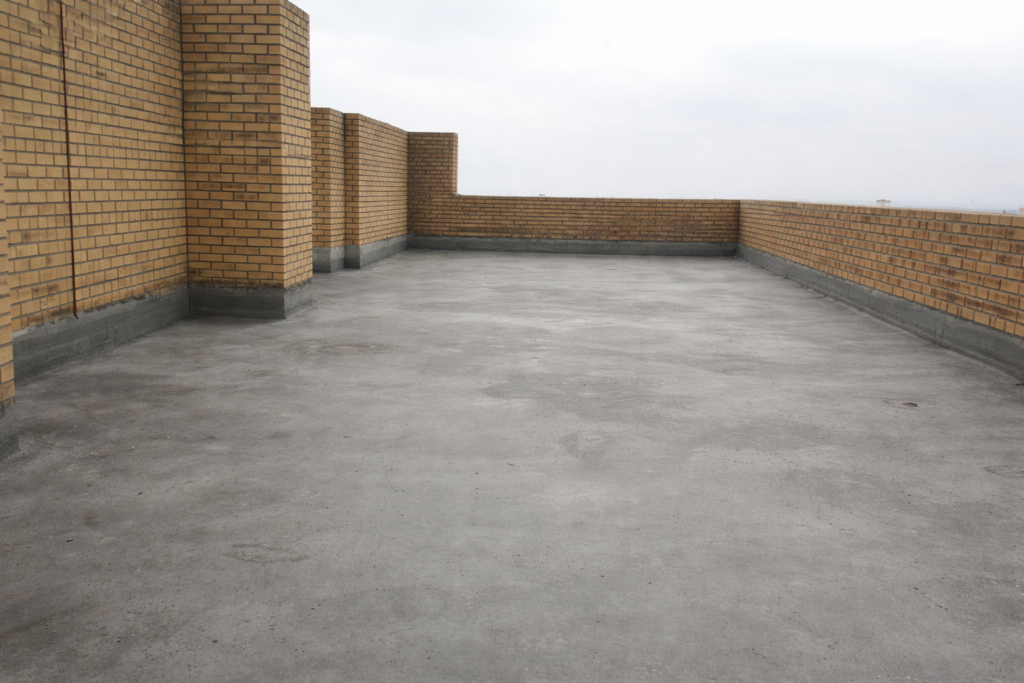
Schritt 2 – Grundierung
Nach der Reinigung wird eine geeignete Grundierung (Primer) aufgetragen.
Die Grundierung verbessert die Haftung zwischen Untergrund und Abdichtung und sorgt für eine gleichmäßige Oberfläche.
Je nach System kommen unterschiedliche Grundierungen zum Einsatz.
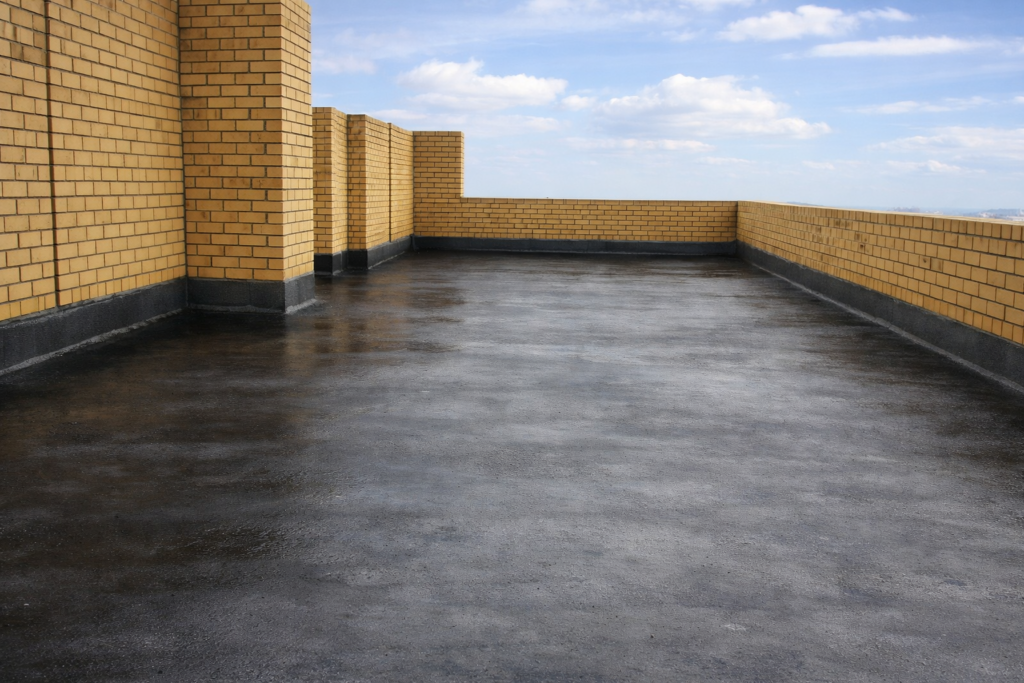
Schritt 3 – Armierung der Anschlüsse
Besonders kritische Bereiche einer Dachabdichtung sind:
• Wandanschlüsse
• Innen- und Außenecken
• Durchdringungen
• Übergänge zwischen Bauteilen
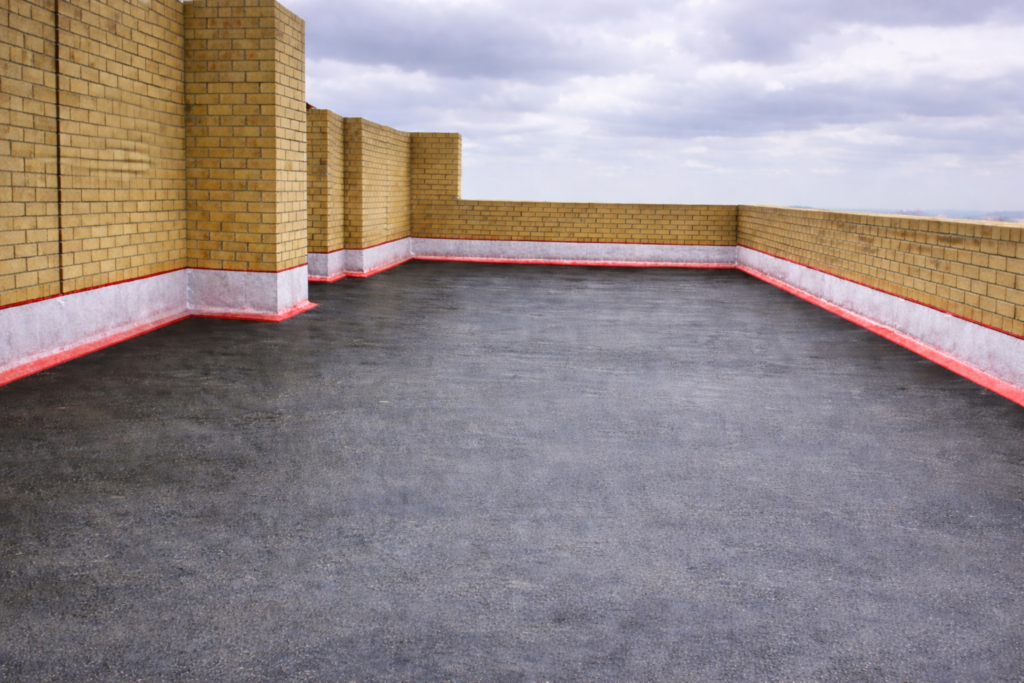
Diese Bereiche werden zuerst behandelt.
Zunächst wird eine Abdichtungsschicht aufgetragen.
Anschließend wird Polyester-Armierungsvlies in die frische Beschichtung eingelegt.
Dadurch entsteht eine flexible und rissüberbrückende Detailabdichtung.
Schritt 4 – Erste Abdichtungsschicht
Nachdem die Details vorbereitet wurden, wird die Abdichtung auf die gesamte Dachfläche aufgetragen.
In diesem Beispiel wird eine Polyurethan-Flüssigabdichtung verwendet.
Die erste Schicht dient als Grundlage für die Armierung mit Vlies.
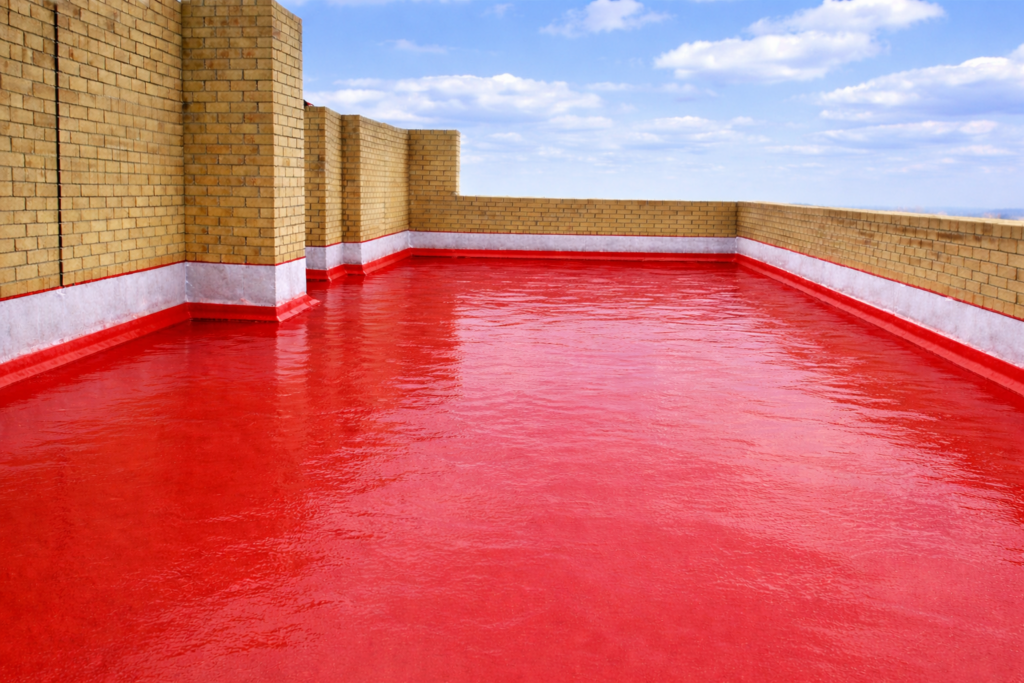
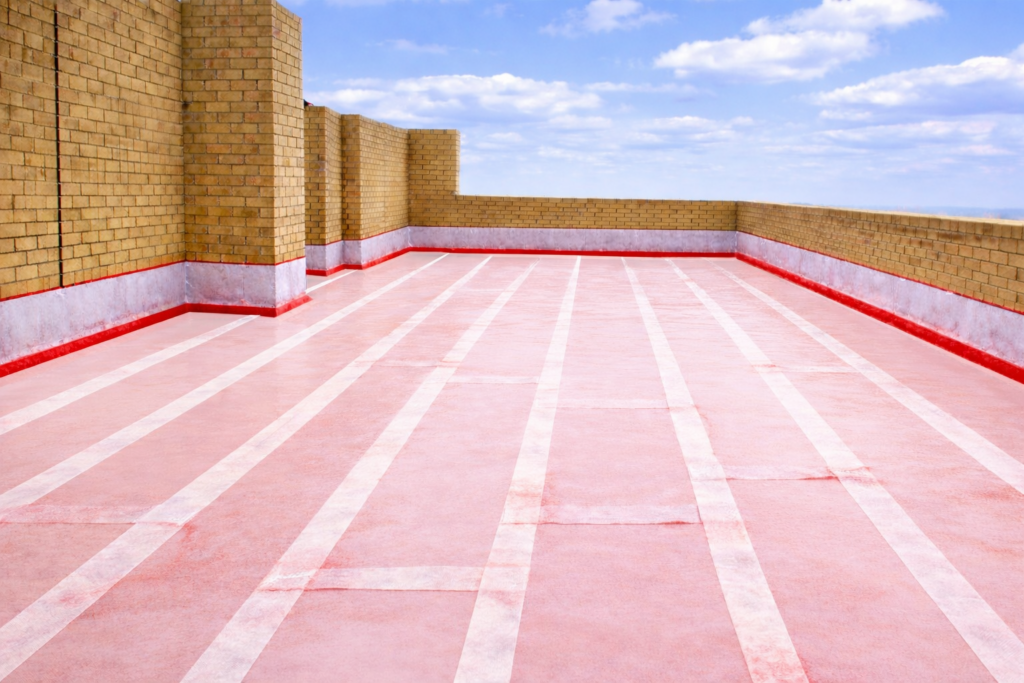
Schritt 5 – Vollflächige Armierung mit Polyestervlies
Solange die Abdichtung noch frisch ist, wird das Polyester-Armierungsvlies in die Beschichtung eingelegt.
Die Vliesbahnen werden über die gesamte Dachfläche verlegt.
Dabei ist wichtig:
• vollständige Durchtränkung des Vlieses
• blasenfreie Verarbeitung
• Überlappung der Bahnen
Die Überlappung beträgt mindestens 5 cm.
Das Vlies nimmt einen Teil der Abdichtung auf und bildet eine stabile, flexible Verstärkungsschicht.
Schritt 6 – Zweite Abdichtungsschicht
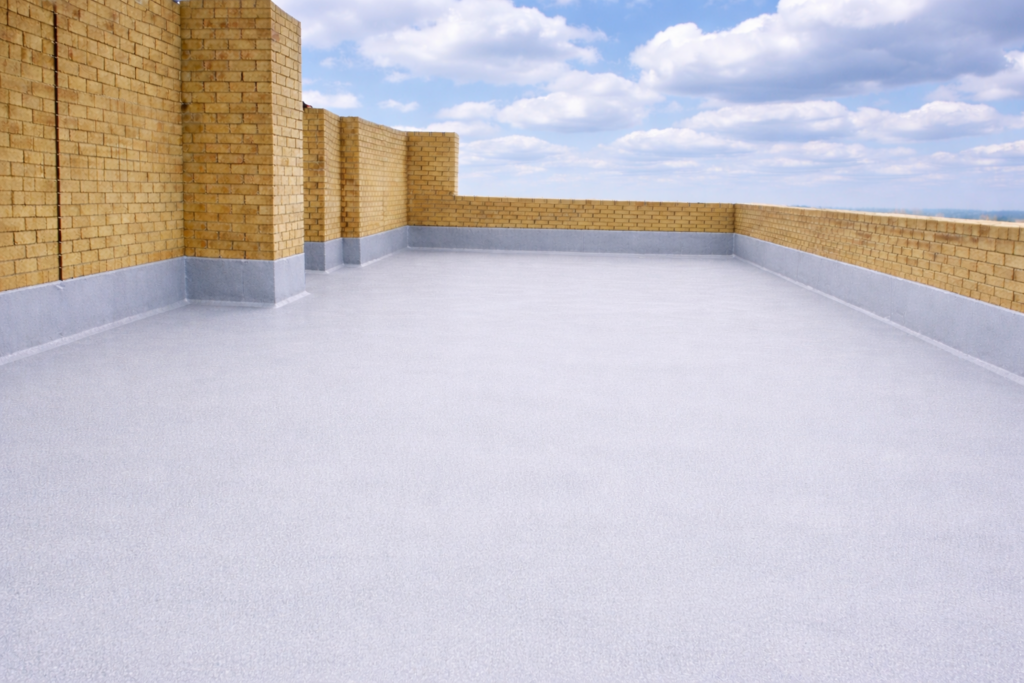
Nach dem Einlegen des Armierungsvlieses wird eine weitere Abdichtungsschicht aufgetragen.
Diese Deckschicht überdeckt das Vlies vollständig und bildet eine geschlossene, wasserdichte Oberfläche.
Je nach System kann zusätzlich eine dritte Schicht erforderlich sein.
Fertiger Schichtaufbau
Die fertige Dachabdichtung besteht aus mehreren funktionalen Schichten:
Betonuntergrund
Grundierung
erste Abdichtungsschicht
Polyestervlies
zweite Abdichtungsschicht
Dieses System ermöglicht eine dauerhafte und flexible Abdichtung von Flachdächern.
Warum Polyester-Vlies 120 g/m² für Flüssigabdichtungen?
Polyester-Vlies mit einem Flächengewicht von 120 g/m² bietet die optimale Kombination aus Flexibilität, Stabilität und Durchtränkungsfähigkeit für hochwertige Flüssigabdichtungen im Außenbereich.
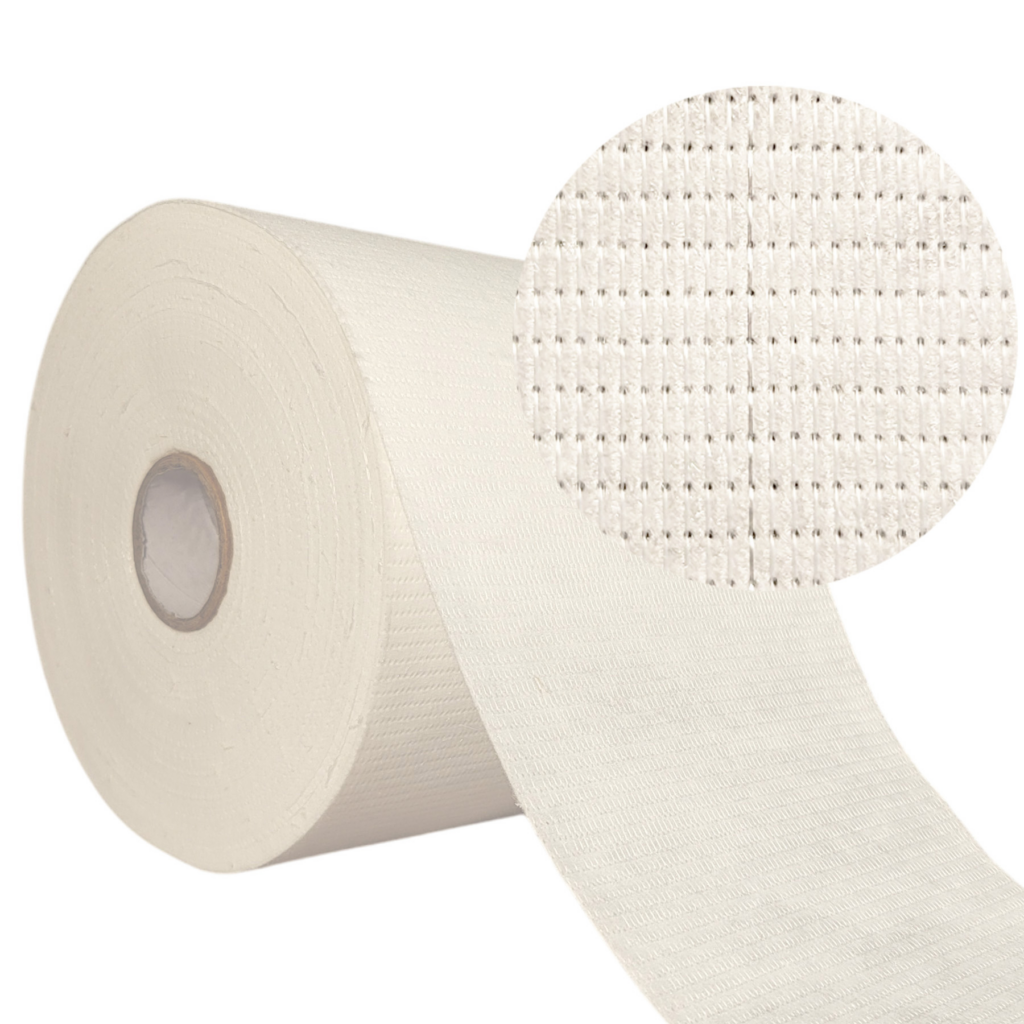
Im Gegensatz zu herkömmlichen Vliesstoffen gleicher Grammatur ist das SA Baustoffe Polyester-Vlies 120 g/m² zusätzlich mit Fäden vernäht.
Diese Vernähung erhöht die Zug- und Reißfestigkeit deutlich und verleiht dem Geotextil eine außergewöhnlich hohe mechanische Belastbarkeit – ein entscheidender Vorteil bei Terrassen, Balkonen und Dachflächen.
Durch den Nähprozess entsteht gleichzeitig eine gezielte Perforation der Vliesstruktur.
Diese Perforation verbessert die Durchtränkung mit Flüssigabdichtungen, sodass das Material vollständig eingebettet wird und eine homogene, rissüberbrückende Abdichtungsebene entsteht.
Das Ergebnis ist ein hoch belastbares, langlebiges und zertifiziertes Abdichtungsvlies, dessen Materialeigenschaften durch unabhängige Prüfungen bestätigt wurden (SGS).
Hinweis zur Rollenbreite:
Die passende Rollenbreite richtet sich nach dem Einsatzbereich und den Details vor Ort – z. B. Flächen, Anschlüsse oder Durchdringungen.
Rissüberbrückend & flexibel
Nimmt Bewegungen des Untergrunds zuverlässig auf und reduziert Spannungsrisse in der Abdichtung – ideal für dauerhaft beanspruchte Terrassen und Balkone.
Vernäht & besonders reißfest
Die zusätzliche Vernähung sorgt für eine außergewöhnlich hohe Zug- und Reißfestigkeit und erhöht die Lebensdauer der gesamten Abdichtungskonstruktion.
Perfekt durchtränkbar
Die perforierte Struktur ermöglicht eine vollständige Durchtränkung mit Flüssigabdichtungen und sorgt für eine sichere, homogene Abdichtungsebene.
Welche Breiten von Polyestervlies verwendet werden
Für Abdichtungsarbeiten werden unterschiedliche Breiten von Polyestervlies verwendet.
Die Wahl der Breite hängt vom jeweiligen Einsatzbereich ab.
15 cm Breite
Wird verwendet für:
• Ecken
• kleine Details
• Durchdringungen
• Übergänge zwischen Bauteilen
25 cm Breite
Wird häufig eingesetzt für:
• Wandanschlüsse
• Übergänge zwischen Dach und Wand
• mittlere Detailbereiche
35 cm Breite
Typische Anwendung:
• größere Anschlussflächen
• Attika-Anschlüsse
• Übergänge an technischen Aufbauten
50 cm Breite
Für die Armierung der gesamten Dachfläche
Überlappung der Vliesbahnen
Beim Verlegen des Vlieses müssen die einzelnen Bahnen überlappen.
Empfohlene Überlappung:
mindestens 5 cm
Dadurch entsteht eine durchgehende Armierung ohne Schwachstellen.
Typische Einsatzbereiche
Polyester-Armierungsvlies wird eingesetzt bei:
Flachdächer
Balkone
Terrassen
Attika-Anschlüsse
Detailabdichtungen
Abschluss
Polyester-Armierungsvlies ist ein zentraler Bestandteil moderner Flüssigabdichtungssysteme.
Durch die Kombination aus Flüssigabdichtung und Armierungsvlies entsteht eine flexible, langlebige und rissüberbrückende Abdichtung, die auf Flachdächern, Terrassen und Balkonen eingesetzt wird.
Das passende Armierungsvlies für diese Anwendung
Für Flachdächer, Terrassen und Balkone hat sich SA Baustoffe Polyester-Vlies 120 g/m² als zuverlässige Verstärkung für Flüssigabdichtungen bewährt.
Das Material sorgt für eine rissüberbrückende und langlebige Abdichtungsschicht – ideal für dauerhaft belastete Dachflächen.
✔ rissüberbrückend
✔ perfekt durchtränkbar
✔ hohe Reißfestigkeit